

Posted on 31st May 2026, by Admin
By Dr. Sachender Pal Singh
Head & Neck Cancer Surgeon
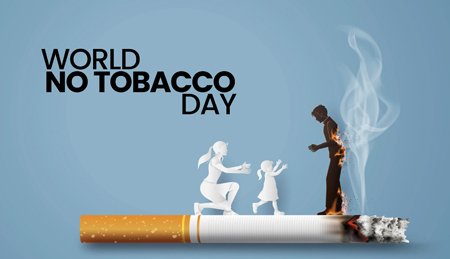
Every year, World No Tobacco Day reminds us of a simple but powerful truth: tobacco remains one of the leading preventable causes of cancer, disability and premature death.
As a Head & Neck Cancer Surgeon, I meet patients and families whose lives have been dramatically changed by tobacco-related diseases. What is most concerning is that oral cancer is no longer confined to older individuals. Increasingly, we are seeing younger patients, including those in their twenties and thirties, presenting with oral cancer and precancerous conditions.
In many parts of India, including Jharkhand, products such as khaini, gutkha, zarda and other forms of smokeless tobacco are commonly used and often perceived as less harmful than smoking. This is a dangerous misconception.
Scientific evidence has firmly established that smokeless tobacco significantly increases the risk of oral cancer, oral submucous fibrosis (reduced mouth opening), leukoplakia and several other potentially serious conditions.
Tobacco contains numerous carcinogenic chemicals that damage cells and DNA over time. The risk increases further when tobacco use is combined with alcohol consumption.
One of the greatest challenges in oral cancer treatment is late presentation.
Many patients ignore symptoms such as:
When diagnosed early, oral cancer can often be treated more effectively with less extensive surgery and better functional outcomes. Unfortunately, many patients seek medical attention only when the disease has reached an advanced stage, requiring more complex treatment and reconstruction.
Advances in cancer surgery, reconstruction and multidisciplinary care have significantly improved outcomes for patients with head and neck cancers.
At Ranchi Cancer Hospital & Research Centre (RCHRC), patients have access to comprehensive evaluation and advanced treatment options for head and neck cancers. The focus is not only on cancer control but also on preserving speech, swallowing, appearance and quality of life whenever possible.
Recently, during a school-based awareness initiative, we observed that tobacco experimentation can begin at surprisingly young ages. Peer influence, curiosity and exposure to tobacco use within families continue to play important roles.
This highlights the importance of prevention, awareness and early education. The most effective strategy against tobacco-related cancers is preventing tobacco initiation in the first place.
As part of World No Tobacco Day, an oral cancer awareness programme and free health screening camp were organised at Ranchi Press Club in collaboration with Ranchi Cancer Hospital & Research Centre.
The programme focused on:
The enthusiastic participation of journalists, media professionals and their families demonstrated the growing public interest in cancer prevention and tobacco control.
The body begins to recover soon after quitting tobacco.
Quitting tobacco may be challenging, but it remains one of the most important decisions a person can make for their health.
Oral cancer is often preventable. Early diagnosis saves lives. If you use tobacco, consider making today the day you decide to quit. If you notice any suspicious symptoms, seek medical evaluation without delay.
The best time to quit tobacco was years ago. The second-best time is today.
On the occasion of World No Tobacco Day, I had the opportunity to interact with members of the Ranchi Press Club, journalists, media professionals and their families during an awareness programme focused on tobacco-related cancers and cancer prevention.
During the session, we discussed the growing burden of oral cancer in India, the harmful effects of smoking and smokeless tobacco products such as gutkha and khaini, and the importance of recognizing early warning signs of oral cancer. We also highlighted the increasing incidence of oral cancer among younger individuals and the critical role of prevention and early diagnosis.
One of the key messages of the programme was that oral cancer is often preventable, and when detected early, treatment outcomes are significantly better. Symptoms such as a non-healing mouth ulcer, white or red patches inside the mouth, difficulty swallowing, reduced mouth opening, or a lump in the neck should never be ignored.
The event also included a free cancer screening and health check-up initiative aimed at promoting awareness and encouraging timely medical consultation.
I invite you to watch the full interaction below and share it with your family, friends and colleagues. Increasing awareness is one of the most effective ways to reduce the burden of tobacco-related diseases and save lives through early detection.