Posted on 4th Feb 2026, by Admin
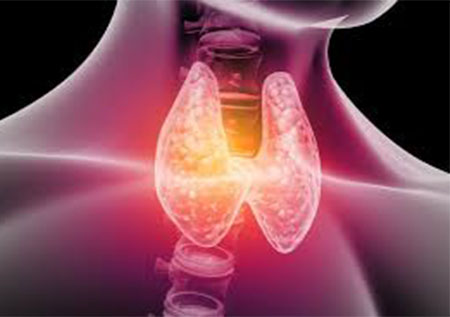
Thyroid disorders are common and may present as a neck swelling (goiter), thyroid nodule, or occasionally as thyroid cancer. Most thyroid conditions are treatable, and many patients do well with timely diagnosis, appropriate surgery (when indicated), and long-term follow-up.
This blog provides an overview of:
- When thyroid surgery is advised
- Common thyroid conditions requiring surgical evaluation
- How thyroid cancer is managed
- What patients should consider while choosing a thyroid surgeon and center
When Should You Consult a Thyroid Surgeon?
You may need consultation if you have:
- A visible or palpable swelling in the front of the neck
- Thyroid nodule detected on ultrasound
- Difficulty swallowing or breathing
- Change in voice / hoarseness
- Enlarged neck lymph nodes
- Suspicion of thyroid cancer on FNAC
- Recurrent thyroid swelling after previous surgery
Conditions Where Thyroid Surgery May Be Needed
1) Thyroid Nodules
Most thyroid nodules are benign. Surgery may be advised when:
- FNAC suggests malignancy / suspicion
- Nodule is large or progressively increasing
- There are compressive symptoms
- There is cosmetic concern
- There is recurrent cystic swelling
2) Goiter (Thyroid Enlargement)
Surgery may be considered if:
- The goiter causes pressure symptoms
- There is tracheal deviation or narrowing
- Retrosternal extension is present
- There is suspicion of malignancy
- The swelling continues to grow despite treatment
3) Thyroid Cancer
Thyroid cancer is generally associated with good outcomes when managed appropriately. The most common types include:
- Papillary thyroid carcinoma
- Follicular thyroid carcinoma
- Medullary thyroid carcinoma
- Anaplastic thyroid carcinoma (rare but aggressive)
Treatment planning is based on:
- Histology
- Tumor size and extent
- Lymph node involvement
- Risk stratification and response to therapy
What Patients Should Consider While Choosing a Thyroid Surgery Center
Thyroid surgery requires precision because of important structures in the neck, especially:
- Recurrent laryngeal nerve (voice nerve)
- Parathyroid glands (calcium control)
- Major vessels and airway structures
Patients may consider the following:
- Experience in thyroid and neck surgery
- Availability of pathology and imaging support
- Multidisciplinary thyroid cancer care (if needed)
- Access to nuclear medicine for RAI therapy when indicated
- Structured follow-up protocol
Thyroid Cancer Care: Why Multidisciplinary Management Matters
Thyroid cancer management often benefits from a team approach involving:
- Surgical oncology / head & neck surgery
- Endocrinology
- Nuclear medicine (RAI therapy)
- Medical oncology (for advanced cases)
- Radiation oncology (selected cases)
- Radiology and pathology
This approach helps in:
- Accurate staging
- Appropriate treatment selection
- Avoiding overtreatment
- Optimizing long-term outcomes
Follow-up After Thyroid Cancer Treatment
Follow-up may include:
- Thyroglobulin (Tg) monitoring
- Neck ultrasound
- Risk-based imaging
- PET-CT in selected cases
- Long-term surveillance depending on risk category
Frequently Asked Questions (FAQ)
Q1. Is thyroid surgery safe?
Thyroid surgery is a commonly performed procedure. Like all surgeries, it has risks, but outcomes are generally good when performed in appropriate settings.
Q2. Will my voice change after surgery?
Temporary voice change can occur. Permanent voice change is uncommon, especially with careful nerve preservation.
Q3. Will I need lifelong medicines after surgery?
After total thyroidectomy, thyroid hormone replacement is usually required lifelong. After partial surgery, some patients may not require lifelong medication.
Q4. Can thyroid cancer be cured?
Many thyroid cancers have excellent long-term outcomes, especially when diagnosed early and treated appropriately.
Conclusion
Thyroid nodules, goiter, and thyroid cancer require careful evaluation and individualized treatment. If you notice a neck swelling or have been advised surgery, it is reasonable to seek a specialist opinion and discuss treatment options, expected outcomes, and follow-up planning.
For consultation and evaluation, patients may contact the hospital OPD and schedule an appointment.